
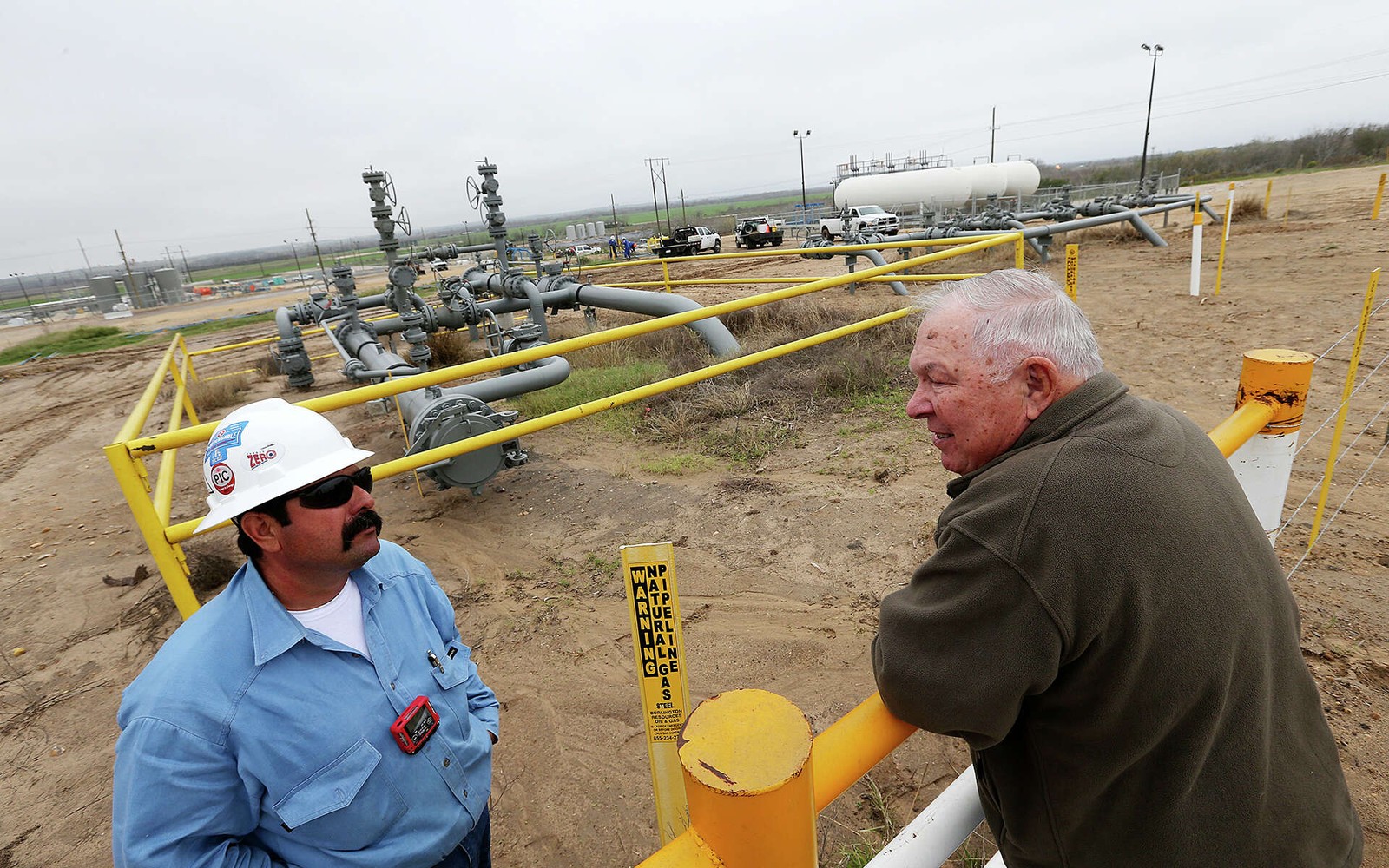
The Clarence Iverson #1 well, drilled just outside Tioga, was the discovery well that confirmed commercial oil production in North Dakota in April 1951, opening the state's oil industry.
Sell Mineral Rights in Tioga, ND
Every landman in this basin knows Tioga's name, because the Clarence Iverson well that opened North Dakota's oil industry came in right here.
The 1951 discovery well put Tioga on the map long before the modern horizontal Bakken boom, and the town has been an oil town in one form or another ever since. That long history means the courthouse records, the operator relationships, and the local infrastructure are all more mature here than in a lot of the basin.
For mineral owners, that history translates into a market that's easier to price with confidence, because there's decades of comparable activity to look back on.
On the Nesson Anticline
Tioga sits on or near the Nesson Anticline, the structural high that runs through Williams County and has concentrated a huge share of the basin's most productive wells. Operators have targeted this structure specifically because it tends to hold thicker, more porous pay than surrounding ground, and that reputation carries into how minerals here get priced.
Old Field, New Laterals
What makes Tioga interesting is the overlap between legacy vertical wells drilled decades ago and modern horizontal laterals stacked on top of the same acreage. A tract here can have production history stretching back to the 1950s and a brand new well permitted last year, both feeding into the same mineral interest.
What a Buyer Wants to See
For Tioga-area ground, we want the operator of record, the spacing unit configuration, and royalty statements covering both any older vertical production and newer horizontal wells if both exist. The combination of long history and current activity is exactly the profile that supports a strong offer in this market.
Begin with the local record trail
A mineral review here starts with the county recording office, legal description, deed chain, reservations, lease, units, division orders, payor records, statements, and state well data.
Route local questions correctly
Probate, marital property, dormant-mineral rules, pooling, recording, transfer, regulatory filings, and payor notices differ between North Dakota and Montana and sometimes between counties. Qualified advisers should review those questions.
Keep the local review tract-specific
Use the local context as a prompt, not a valuation shortcut. Tioga is where North Dakota's first oil well came in back in 1951. The Bakken acquisition desk explains why that history still matters to Bakken mineral buyers today. The review desk then reconciles the exact tract against gross and net acres, ownership fraction, producing and inactive wells, paid decimal, recent statements, lease burdens, title exceptions, and the complete written offer. That comparison keeps a familiar town or county name from standing in for the record that actually controls price and closing.
Questions Bakken Owners Ask
Why is Tioga called the birthplace of ND oil?
Does the Nesson Anticline actually affect your mineral value?
It's one of several factors, but structural highs like the Nesson tend to correlate with thicker, better-quality pay zones, which is part of why this stretch of Williams County has drawn sustained operator interest for decades.
You have production from an old vertical well. Does that still count?
Yes. Legacy vertical production history is real, verifiable data that a buyer will look at alongside any newer horizontal activity on the same or adjacent units.
How does Tioga compare to Williston for mineral pricing?
Both sit in the core fairway with strong operator activity. The specific spacing unit and production history on your tract usually matters more than which town is closer.
Keep Reading
More Bakken Guides for Owners
Bakken owner desk
Get a Straight Read on Your Bakken Interest
Share the county, owner name, interest type, producing status, recent statements if available, and the decision that needs a clearer answer.