
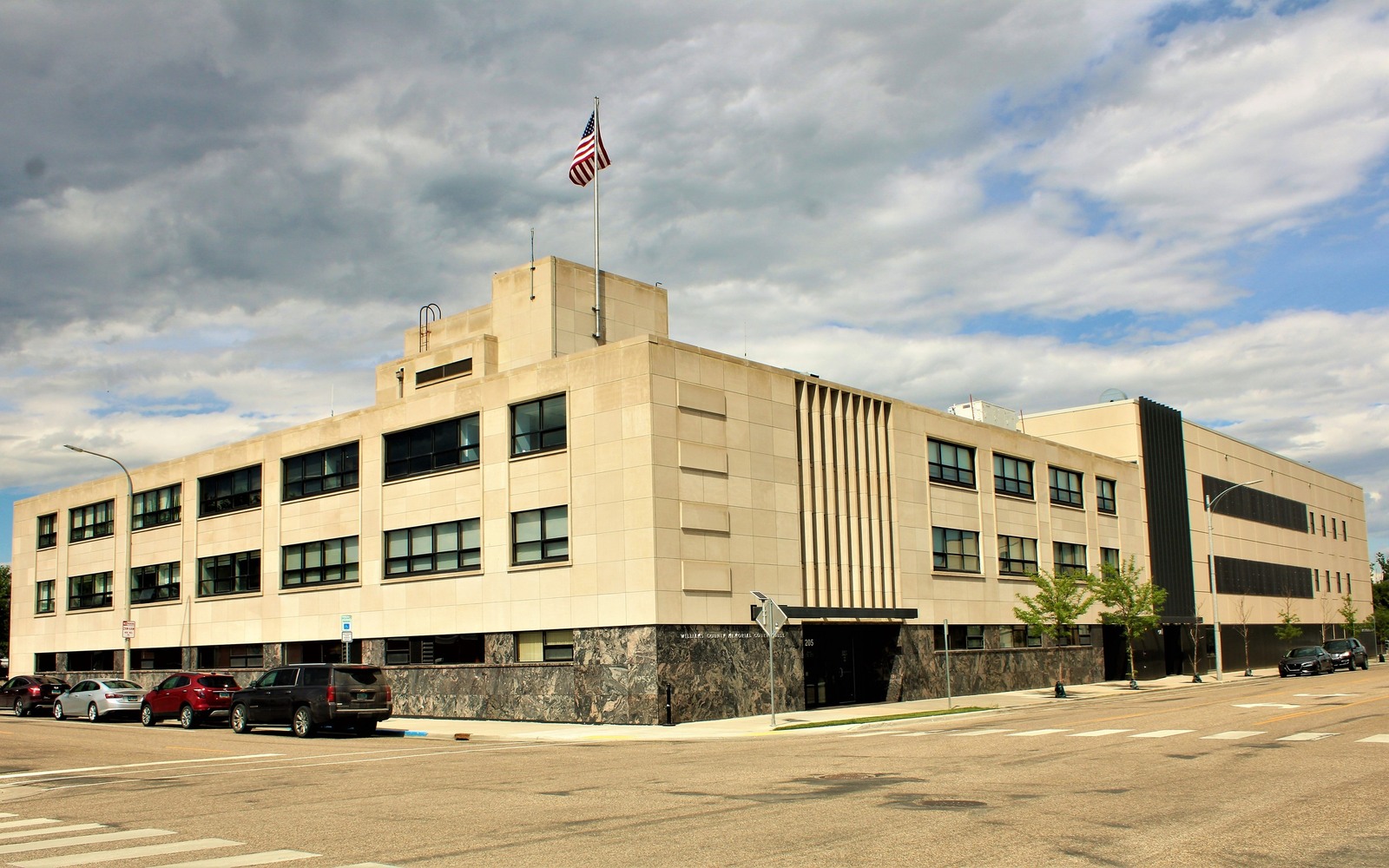
It combines the historic 1951 discovery ground near Tioga, the Nesson Anticline structural trend, and Williston's role as the basin's operational hub, giving it some of the deepest, most consistent production history anywhere in the play.
Sell Mineral Rights in Williams County, ND
If you want to understand what core Bakken acreage actually looks like, Williams County is where we'd point you first.
The Bakken acquisition desk reviews well, title, spacing, and payment records before preparing a written conclusion. It's home to Williston, the industry's unofficial hub, and to a stretch of the Nesson Anticline that has produced some of the most consistent, well-documented output anywhere in the play.
That reputation is earned, but it doesn't mean every acre in the county is priced the same. The difference between a tract two miles from an active multi-well unit and one sitting on a quieter section can be significant, and we walk every owner through that distinction before putting a number in front of them.
The Nesson Anticline's Backbone
The structural high running through Williams County has concentrated a disproportionate share of the basin's strongest wells for decades, going back to the original 1951 discovery near Tioga. Operators have targeted this trend specifically because it correlates with thicker, more porous pay in both the middle Bakken and Three Forks, and that track record is baked into how the whole county gets valued.
For mineral owners, proximity to this trend is one of the strongest positive signals we look for, though it's never the only factor. A tract's specific spacing unit assignment and production history still carry more weight than general geography.
Density and Documentation
Because Williams County has been so extensively developed, most tracts here come with substantial title and production history already on file. Multiple wells per spacing unit are common, sometimes targeting different benches of the Bakken and Three Forks from the same pad, which generally means a broader, more stable base of royalty income for the mineral owner.
That documentation cuts diligence time significantly. When we evaluate a Williams County tract, we're rarely starting from scratch, there's usually years of comparable data on the same or adjacent units to work from.
Williston's Gravity
As the county seat and the operational center of the modern boom, Williston draws more buyer and operator attention than almost anywhere else in the basin. That concentration of interest means owners across Williams County, well beyond the city itself, tend to see more inbound offers than owners in flank counties.
More competition among buyers is generally good for sellers, but it also means owners here should take the time to compare offers rather than accepting the first number, since terms and structure can vary as much as price.
What Sets the Actual Price
For any Williams County tract, we want your recent royalty statements, the operator of record, and whether your interest is held by production across the full unit or only part of it. We also check recent permitting activity on adjacent sections, since even in a mature county like this, some areas are still seeing active new development while others have settled into long-term decline.
Owners sometimes assume the county's overall reputation guarantees a strong number. It's a meaningful advantage, but the specific unit still does the real work in setting your price.
The Refinery, Rail, and Gathering Buildout
Williams County has drawn substantial midstream investment over the past decade, gathering pipelines, rail loading, and refining capacity near Williston and Trenton, that reduces the bottlenecks operators dealt with in the early boom years when takeaway capacity lagged behind drilling. That infrastructure doesn't set your mineral value directly, but it does support the case that operators can keep moving produced oil efficiently, which factors into how they plan future development.
We mention it to owners because a common question is why an area this developed would still see new permits. The answer is usually that the infrastructure to support additional wells is already in place, lowering the cost of bringing new production online compared to less developed counties.
Questions Bakken Owners Ask
Why is Williams County considered the heart of the Bakken?
Does the Nesson Anticline guarantee a strong offer?
It's a positive signal correlated with thicker, higher-quality pay, but your specific spacing unit and production history still matter more than general proximity to the structure.
Why do Williams County minerals often see more offers than other counties?
The concentration of operators and buyers actively working this county, especially around Williston, means more parties are typically competing for the same acreage.
How many wells are typically on a Williams County spacing unit?
It varies by section, but multi-well units targeting different benches of the Bakken and Three Forks are common given how extensively the county has been developed.
Should you compare multiple offers before selling in Williams County?
Yes, given the level of buyer competition here, it's generally worth comparing more than one offer, on both price and terms, before deciding.
Does the midstream buildout near Williston affect your mineral value?
Indirectly. Better gathering and takeaway infrastructure supports continued operator activity, which is a positive backdrop, but your offer is still set by your specific spacing unit's production history and proximity to active development.
Keep Reading
More Bakken Guides for Owners
Bakken owner desk
Get a Straight Read on Your Bakken Interest
Share the county, owner name, interest type, producing status, recent statements if available, and the decision that needs a clearer answer.