
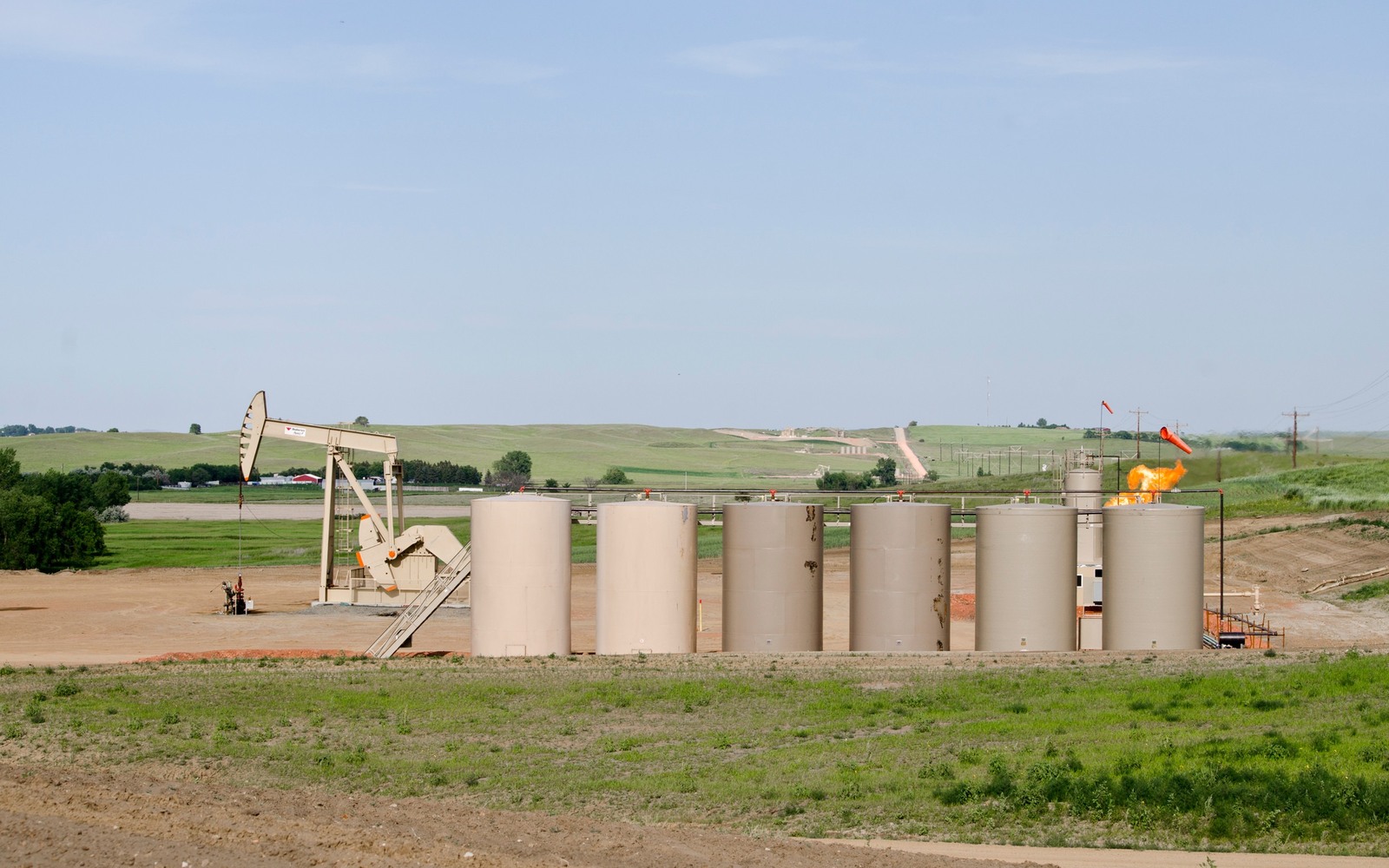
It's consistently one of the busiest, historically leading North Dakota in permits and production alongside Mountrail and Williams counties. That said, activity level varies significantly by section, so county-wide reputation shouldn't set your price.
Sell Mineral Rights in McKenzie County, ND
If there's one county that defines the modern Bakken, it's McKenzie. Watford City went from a few hundred people to a boomtown almost overnight, and the drilling never really stopped.
The Bakken acquisition desk reviews well, title, spacing, and payment records before preparing a written conclusion. There isn't much of this county that hasn't seen a rig at some point since the horizontal Bakken boom took off, and a lot of it has seen three or four.
That density is both the opportunity and the trap for mineral owners here. Opportunity, because most McKenzie County tracts carry real production history and often room for more. Trap, because the sheer volume of activity draws a lot of buyers who lean on the county's reputation instead of your specific unit's numbers.
Why McKenzie County drilled first, and drilled deepest
The Bakken and Three Forks thicken and sit at favorable depth across much of McKenzie County, particularly through the Antelope, Blue Buttes, Van Hook, and Sanish-adjacent trends. Operators targeted this ground early because the rock supported strong initial production, and they kept coming back to add Three Forks benches once the upper zones proved out. It's common to find units here with four, five, or more laterals stacked across multiple formations.
The county also sits partly within the Fort Berthold Reservation boundary, so ownership across McKenzie County splits between straightforward fee minerals and, in places like Mandaree, New Town, and White Shield, trust interests held for MHA Nation allottees. Those two ownership types move through completely different transfer processes, so knowing which one applies to your interest is step one, before any pricing conversation.
What Watford City's growth changed, and what it didn't
Watford City's population boomed alongside the drilling, and county infrastructure, the Recorder's office among it, scaled up to handle a much heavier volume of filings than it saw before 2008. That's generally good news for owners: title work in McKenzie County today runs through a system built for this level of activity, and most straightforward deeds move without much drama.
What it didn't change is the fundamental math. A well's presence on your unit tells you almost nothing about value without decline data. Bakken wells here typically post their strongest months in year one, drop steeply through year two and three, then settle into a long shallow tail that can run productive for a decade or more. A buyer quoting off an early peak month, or off a stale statement, isn't giving you an honest number.
Reading a McKenzie County royalty statement correctly
Pull your last several months of statements rather than a single one, and check three things: your decimal interest, the well or wells allocated to it, and the deduction lines for gathering, processing, and marketing. McKenzie County operators handle post-production costs differently, and we've seen owners on adjoining units net noticeably different amounts off similar gross production because of how those charges are structured.
Also check whether your spacing unit has permitted but undrilled locations. With this many operators still actively developing across the county, a unit that looks 'done' on paper may have another lateral coming, and that upside belongs in any serious valuation.
Selling all or part of your interest
You don't have to sell everything. A lot of McKenzie County owners choose to sell a portion of their minerals, banking a lump sum now while keeping a share of future royalty income and any upside from additional development. That split can make sense if you're weighing near-term cash needs against long-term production potential on an active unit.
Whatever portion you sell, make sure the purchase agreement is specific about which wellbores, formations, and depths are included. Vague legal descriptions cause disputes down the line, especially on multi-bench units like most of what's producing across this county today.
Questions Bakken Owners Ask
Is McKenzie County the most active part of the Bakken?
How does Fort Berthold trust land affect a McKenzie County sale?
If your interest is held in trust for an MHA Nation allottee, transfer goes through Bureau of Indian Affairs processes rather than a standard county deed. Fee minerals elsewhere in the county transfer through the Recorder's office like anywhere else.
Why do royalty checks from this county vary so much month to month?
Multi-well units mean new laterals coming online, workovers, or curtailments on any one well can swing your total noticeably. Look at a full year of statements, not one month, before judging what your interest is really producing.
Can you sell just a percentage of your McKenzie County minerals?
Yes. Partial sales are common here, letting you take cash now while retaining a share of ongoing royalty income and any future development on the unit.
How long does closing typically take in McKenzie County?
With clean title, a few weeks is typical. Interests with heirship gaps, unprobated estates, or trust-status questions on Fort Berthold ground take longer, so getting title reviewed early is worth doing before you negotiate price.
Keep Reading
More Bakken Guides for Owners
Bakken owner desk
Get a Straight Read on Your Bakken Interest
Share the county, owner name, interest type, producing status, recent statements if available, and the decision that needs a clearer answer.