
Flank. The Middle Bakken and Three Forks are generally thinner here than in the core counties, though Dickinson's longer overall oil history means there's often more well data to review.
Sell Mineral Rights in Dickinson, ND
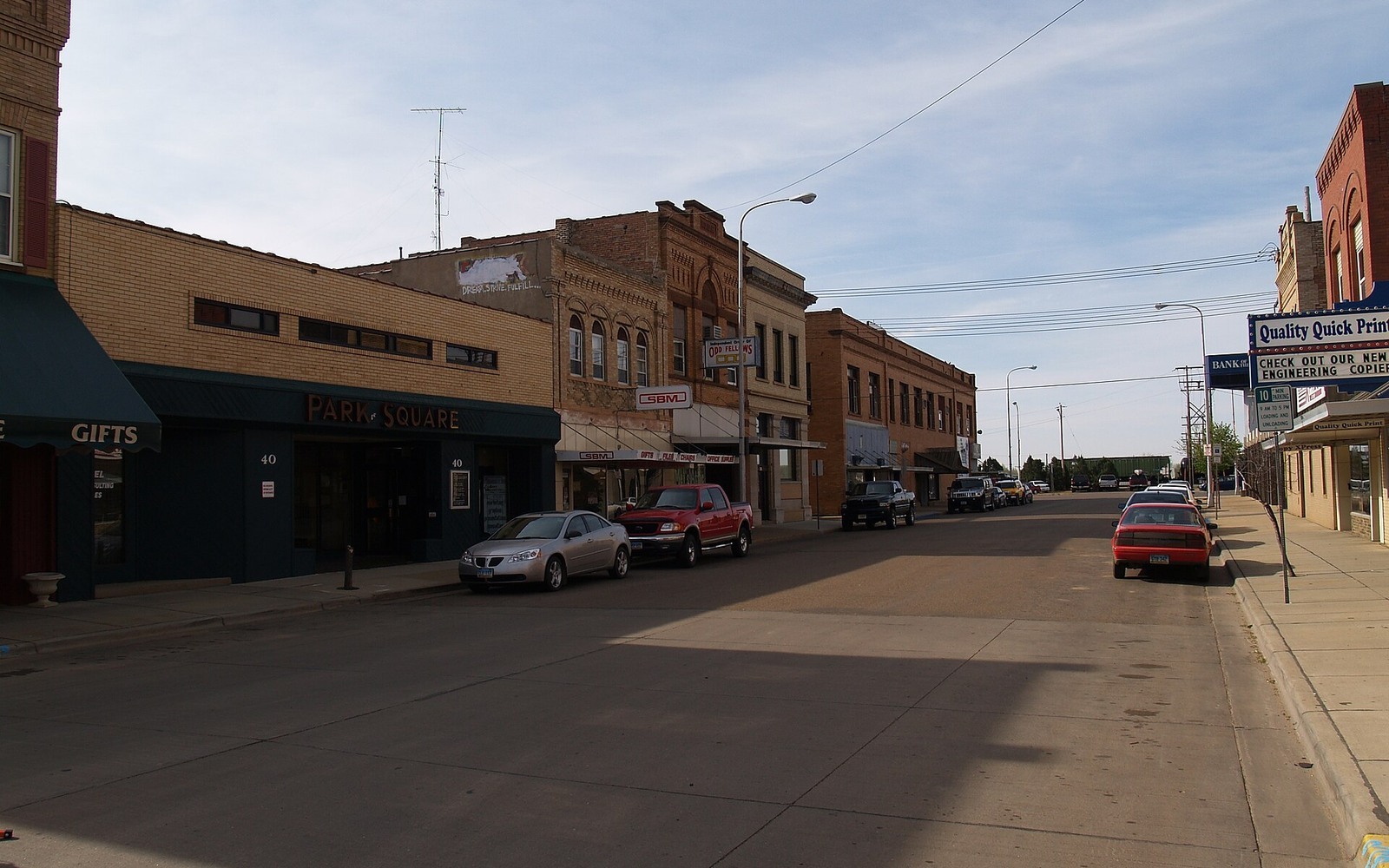
Dickinson is a real oil town, has been since well before the modern Bakken boom, and the county seat courthouse there handles more oil and gas paperwork than most in the flank counties.
We want to be clear that Dickinson's status as a regional hub doesn't automatically mean the acreage underneath it or around it performs like core McKenzie or Williams County ground. Stark County sits on the southern flank, and the productive Bakken interval here is generally thinner than further north, though this county also has a longer oil and gas history than most, going back to earlier conventional plays that predate the horizontal Bakken era entirely.
That longer history means there's often more layered information to work through when we evaluate a Dickinson-area interest, sometimes older conventional wellbores sitting near or even through the same section as more recent Bakken targets.
A County With Multiple Drilling Eras
Stark County saw meaningful conventional oil activity decades before anyone drilled a horizontal Bakken well here, targeting shallower zones with vertical wellbores. Some of those old wells are still relevant to title and surface-use history even if they're long since plugged. When we evaluate Dickinson-area minerals, we check for both the older conventional history and any modern horizontal activity nearby.
That layered history is part of why we ask for a full copy of your deed and any lease documents rather than assuming a simple, single-well ownership picture.
County Seat Access to Records
The Stark County Recorder's Office in Dickinson holds decades of accumulated oil and gas paperwork, which is genuinely useful when we're trying to confirm chain of title on an older interest. We check these records directly rather than relying solely on what an owner remembers about how the mineral rights were originally structured.
Begin with the local record trail
A mineral review here starts with the county recording office, legal description, deed chain, reservations, lease, units, division orders, payor records, statements, and state well data.
Route local questions correctly
Probate, marital property, dormant-mineral rules, pooling, recording, transfer, regulatory filings, and payor notices differ between North Dakota and Montana and sometimes between counties. Qualified advisers should review those questions.
Keep the local review tract-specific
Use the local context as a prompt, not a valuation shortcut. Dickinson is the Stark County seat, an established oil town on the southern Bakken flank. The Bakken acquisition desk explains what your minerals are worth. The review desk then reconciles the exact tract against gross and net acres, ownership fraction, producing and inactive wells, paid decimal, recent statements, lease burdens, title exceptions, and the complete written offer. That comparison keeps a familiar town or county name from standing in for the record that actually controls price and closing.
Questions Bakken Owners Ask
Is Stark County core or flank Bakken territory?
Does your family's interest include older, non-Bakken production history?
Possibly. Stark County had conventional oil activity well before the modern Bakken boom, and some older wellbores may sit on or near your section. I check for this specifically.
Where are Stark County mineral records kept?
The Stark County Recorder's Office in Dickinson, the county seat, holds deed and lease history I check as part of any title review.
Keep Reading
More Bakken Guides for Owners
Bakken owner desk
Get a Straight Read on Your Bakken Interest
Share the county, owner name, interest type, producing status, recent statements if available, and the decision that needs a clearer answer.