
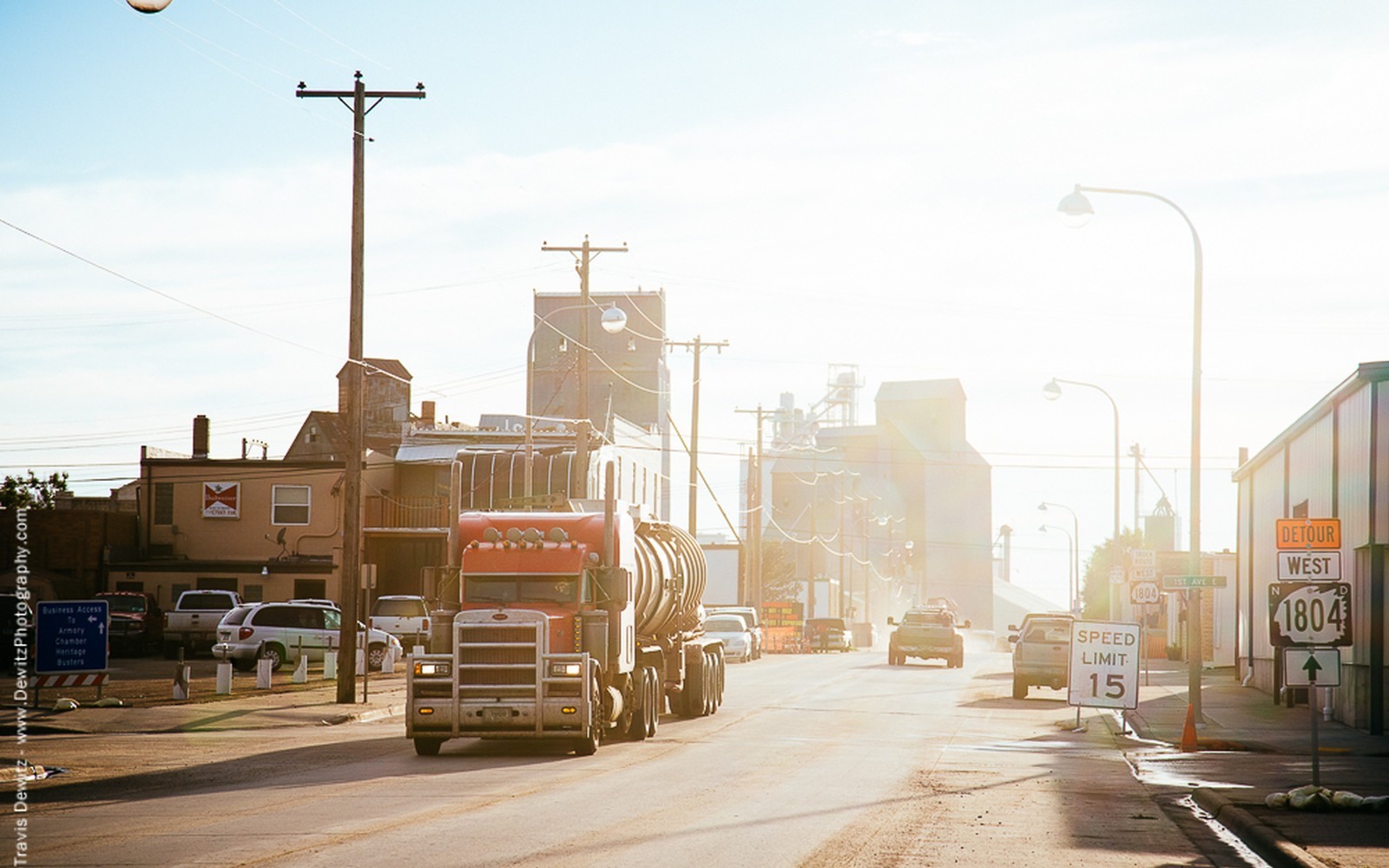
The concentration of operators and buyers actively working Williams County means more parties are competing for the same acreage, which typically results in more inbound interest for owners here than in less active counties.
Sell Mineral Rights in Williston, ND
Williston is the city the modern Bakken boom built, and mineral owners here deal with more buyer competition than almost anywhere else in the basin.
The Bakken acquisition desk reviews well, title, spacing, and payment records before preparing a written conclusion. As the Williams County seat and the unofficial capital of the boom, this is where the highest concentration of operators, landmen, and buyers converge, and that competition shapes the market in ways owners in quieter counties don't experience.
That competition is real, but it doesn't mean every tract near Williston is priced the same. Your section, your operator, and your production history still do the heavy lifting.
The Hub of the Basin
Nearly every major operator working the Williston Basin has a presence in or near Williston, and that concentration of activity extends into the mineral market. Owners here typically see more inbound offers than in flank counties, simply because more buyers are actively working this ground.
Nesson Anticline Runs Close By
The structural high that's driven so much of the basin's best production runs near Williston, and sections tied to that trend have a long track record of strong, well-documented output. When we're evaluating city-area tracts, we're often working with more comparable sales and production data than almost anywhere else in the play.
Why More Offers Doesn't Mean Take the First One
Because Williston draws so much buyer interest, we tell owners here specifically not to accept the first number that comes in. More competition among buyers generally means more room to negotiate terms, beyond price alone, things like retained rights, payment timing, and how the deal is structured.
Begin with the local record trail
A mineral review here starts with the county recording office, legal description, deed chain, reservations, lease, units, division orders, payor records, statements, and state well data.
Route local questions correctly
Probate, marital property, dormant-mineral rules, pooling, recording, transfer, regulatory filings, and payor notices differ between North Dakota and Montana and sometimes between counties. Qualified advisers should review those questions.
Keep the local review tract-specific
Use the local context as a prompt, not a valuation shortcut. Williston is the hub of the modern Bakken boom and the Williams County seat. The Bakken acquisition desk explains what drives mineral value in and around the city. The review desk then reconciles the exact tract against gross and net acres, ownership fraction, producing and inactive wells, paid decimal, recent statements, lease burdens, title exceptions, and the complete written offer. That comparison keeps a familiar town or county name from standing in for the record that actually controls price and closing.
Questions Bakken Owners Ask
Why do Williston-area minerals draw so many offers?
Should you take the first offer you get?
Given how much buyer competition exists around Williston specifically, it's usually worth comparing at least a couple of offers before deciding, both on price and on the terms attached.
Does being in the city itself matter for mineral value?
The city boundary itself isn't the driver, the underlying spacing unit and production history are. Williston's role as a hub mainly means more buyers know about and are watching this ground closely.
How mature is the production data around Williston?
Very mature compared to much of the basin, given how long and how densely this area has been developed, which generally makes diligence faster and offers more grounded in real history.
Keep Reading
More Bakken Guides for Owners
Bakken owner desk
Get a Straight Read on Your Bakken Interest
Share the county, owner name, interest type, producing status, recent statements if available, and the decision that needs a clearer answer.