
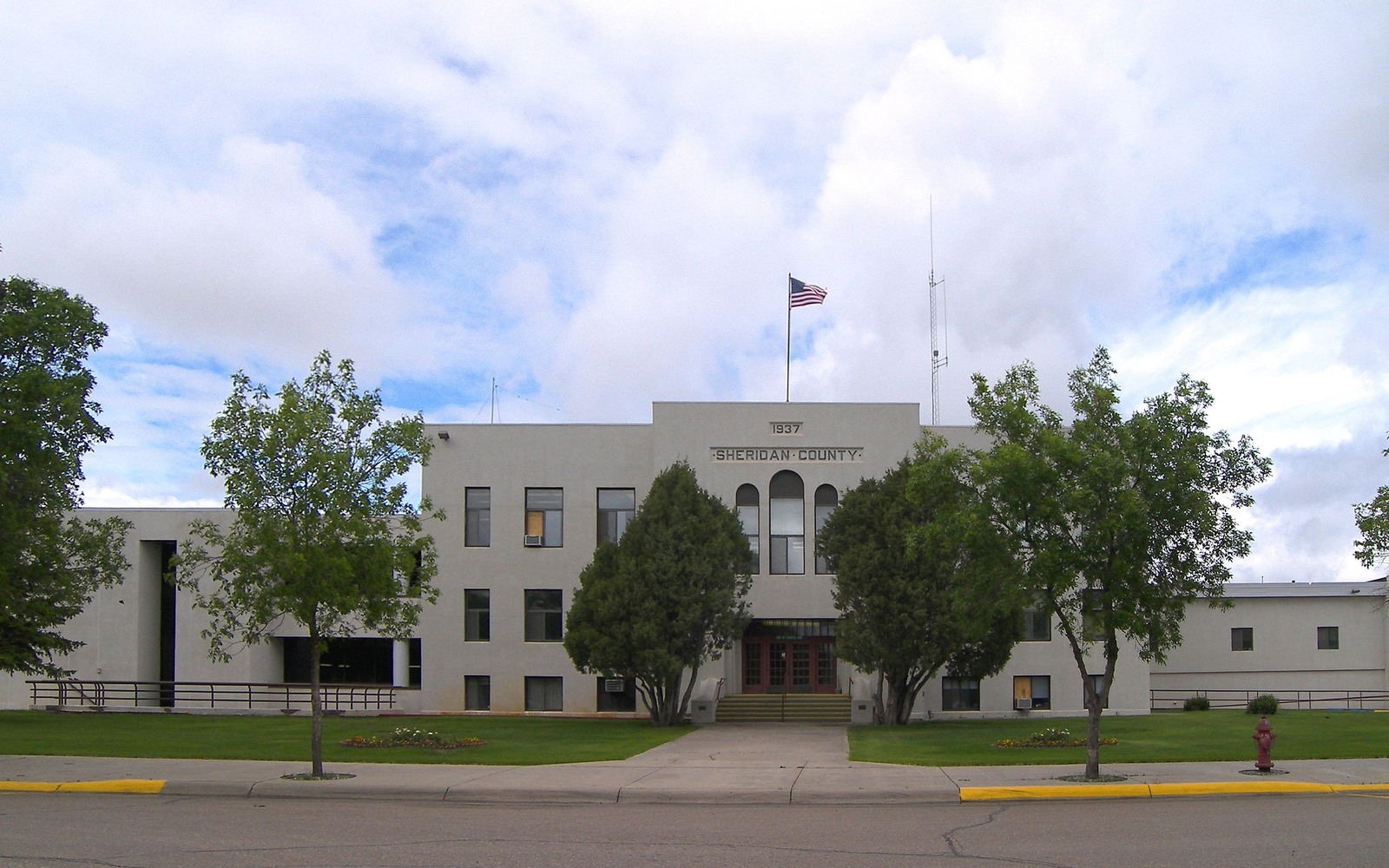
The Sheridan County Clerk and Recorder's office in Plentywood holds deed and lease records. A title search there confirms whether your ownership chain is clean before you sell.
Sell Mineral Rights in Plentywood, MT
Plentywood is the Sheridan County seat, which means every deed and lease tied to mineral ownership across this end of the county runs through its Clerk and Recorder's office.
We bring the courthouse up first because it's the part most out-of-state owners never think about until they need it. Whether your interest sits right in town or out toward Medicine Lake, Outlook, or Homestead, the Sheridan County Clerk and Recorder in Plentywood holds the deed and lease history that determines whether your chain of title is clean enough to close a sale without delay.
The oil and gas history in this county leans older and conventional, mostly Madison and Charles formation development from decades back, with the modern Bakken horizontal boom concentrated further south. That affects how we'd price an interest here, but the title question comes first regardless of production.
Why title research matters this much on older county records
Sheridan County's mineral records go back well before the modern shale era, and a lot of ownership here traces through multiple transfers, some formal, some informal, family arrangements from decades ago. A title search at the courthouse will show whether your name is actually the one of record, and gaps in that chain are the single most common reason a sale stalls after a price has already been agreed to.
If you're not sure your ownership is properly documented, starting with that search costs little and saves real time down the line.
Pricing production tied to older formations
If your interest has production, confirm which formation your statement reflects. Older conventional wells in this county generally show long, low, stable output rather than the sharp decline curves typical of modern Bakken horizontals, and that stability is worth understanding on its own terms rather than comparing it directly to headlines from the deep core of the basin.
If there's no current production, value here is generally modest and tied to future potential, consistent with a lot of ground in this part of the county.
Begin with the local record trail
A mineral review here starts with the county recording office, legal description, deed chain, reservations, lease, units, division orders, payor records, statements, and state well data.
Route local questions correctly
Probate, marital property, dormant-mineral rules, pooling, recording, transfer, regulatory filings, and payor notices differ between North Dakota and Montana and sometimes between counties. Qualified advisers should review those questions.
Keep the local review tract-specific
Use the local context as a prompt, not a valuation shortcut. Plentywood is the Sheridan County seat, where your mineral title actually gets recorded. The Bakken acquisition desk explains what to check there before pricing a sale. The review desk then reconciles the exact tract against gross and net acres, ownership fraction, producing and inactive wells, paid decimal, recent statements, lease burdens, title exceptions, and the complete written offer. That comparison keeps a familiar town or county name from standing in for the record that actually controls price and closing.
Questions Bakken Owners Ask
Where do you check your title for Sheridan County minerals?
Is Sheridan County part of the modern Bakken boom?
Only in limited fashion. Most historic production here comes from older Madison and Charles formation conventional wells, while the modern Bakken horizontal program concentrated further south.
Why did your sale stall after you agreed on a price?
Usually an unresolved title issue, like an unrecorded heir or old informal transfer. Running a title check before negotiating price helps avoid that delay.
Keep Reading
More Bakken Guides for Owners
Bakken owner desk
Get a Straight Read on Your Bakken Interest
Share the county, owner name, interest type, producing status, recent statements if available, and the decision that needs a clearer answer.