
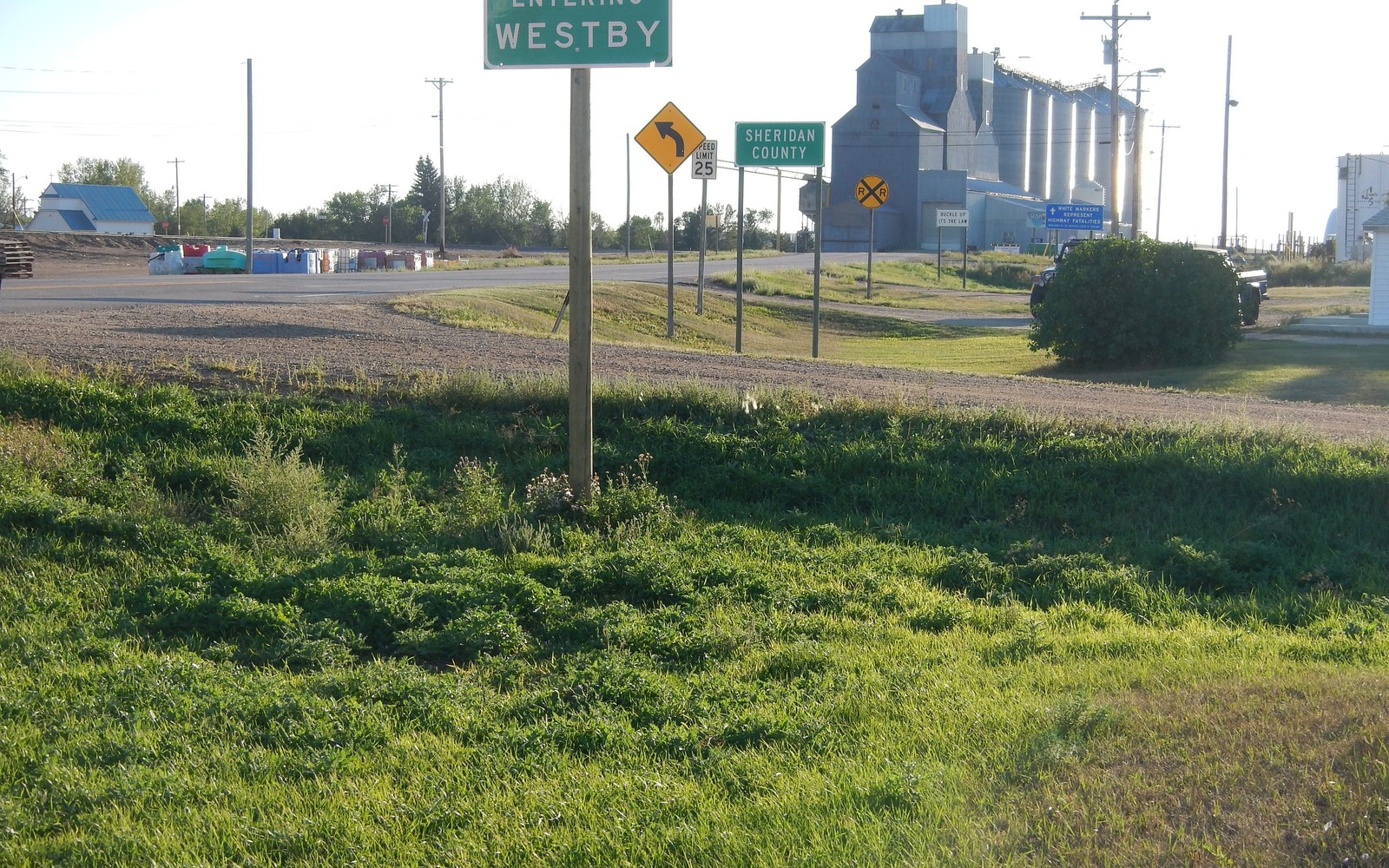
Activity has historically been light and sporadic compared to core Bakken counties. Some sections have producing wells, but multi-well development is uncommon here.
Sell Mineral Rights in Westby, MT
Westby sits right against the North Dakota line, but the drilling density here has never matched what's happening a few counties south.
Sheridan County doesn't get the attention that Richland County does, and Westby is about as far from the Elm Coulee trend as you can get and still technically be in Bakken country. We don't sugarcoat that with owners up here, the offers reflect a quieter part of the play.
Wheat Country with Scattered Wells
This part of Montana is still primarily agricultural, and oil and gas development has been more sporadic than sustained. Some sections have seen a well or two over the years, but nothing like the dense multi-well units further south. That changes the math for what a mineral interest here is worth.
Cross-Border Buyer Behavior
Buyers who work both North Dakota and Montana acreage often apply a wider discount to flank Montana ground than to comparable flank ground on the North Dakota side, partly because Montana's permitting and spacing process runs on its own timeline through the state's oil and gas board. That's a practical reality worth knowing before you compare notes with someone across the state line.
What Still Makes a Tract Worth Selling
Even in a quieter area like this, a tract with a currently producing well and clean title is a real asset. We look for recent permit activity nearby, whether the interest is held by production, and how consistent the royalty history has been, same questions we ask anywhere, just weighted differently given how little activity surrounds most Westby-area tracts.
The Wheat Harvest Doesn't Wait on Oil Prices
Most Westby-area families we talk to treat mineral income as a secondary line behind the farm operation, not the main event. That perspective tends to make owners here more patient about timing a sale than someone whose household budget depends on the royalty check, which is worth knowing about yourself before you negotiate.
Begin with the local record trail
A mineral review here starts with the county recording office, legal description, deed chain, reservations, lease, units, division orders, payor records, statements, and state well data.
Route local questions correctly
Probate, marital property, dormant-mineral rules, pooling, recording, transfer, regulatory filings, and payor notices differ between North Dakota and Montana and sometimes between counties. Qualified advisers should review those questions.
Keep the local review tract-specific
Use the local context as a prompt, not a valuation shortcut. Westby sits on the northern Montana flank of the Bakken near the ND line. The Bakken acquisition desk explains what buyers weigh for this quieter stretch of acreage. The review desk then reconciles the exact tract against gross and net acres, ownership fraction, producing and inactive wells, paid decimal, recent statements, lease burdens, title exceptions, and the complete written offer. That comparison keeps a familiar town or county name from standing in for the record that actually controls price and closing.
Questions Bakken Owners Ask
Is there any active drilling near Westby?
Why would Montana ground be priced differently than similar ND ground?
Montana's spacing and permitting process runs through its own state oil and gas board on a different timeline, and buyers who track both states price that difference into their offers.
Is it still worth selling minerals with no current production?
It can be, particularly if there's realistic proximity to active development, but expect a more conservative offer than for producing or core-fairway ground.
Who typically buys minerals in an area as quiet as Westby?
Smaller, regional buyers and family offices tend to work this kind of flank Montana ground more than the large institutional funds that chase core Williams or McKenzie county acreage. That changes the offer pool, not only the price.
Keep Reading
More Bakken Guides for Owners
Bakken owner desk
Get a Straight Read on Your Bakken Interest
Share the county, owner name, interest type, producing status, recent statements if available, and the decision that needs a clearer answer.