
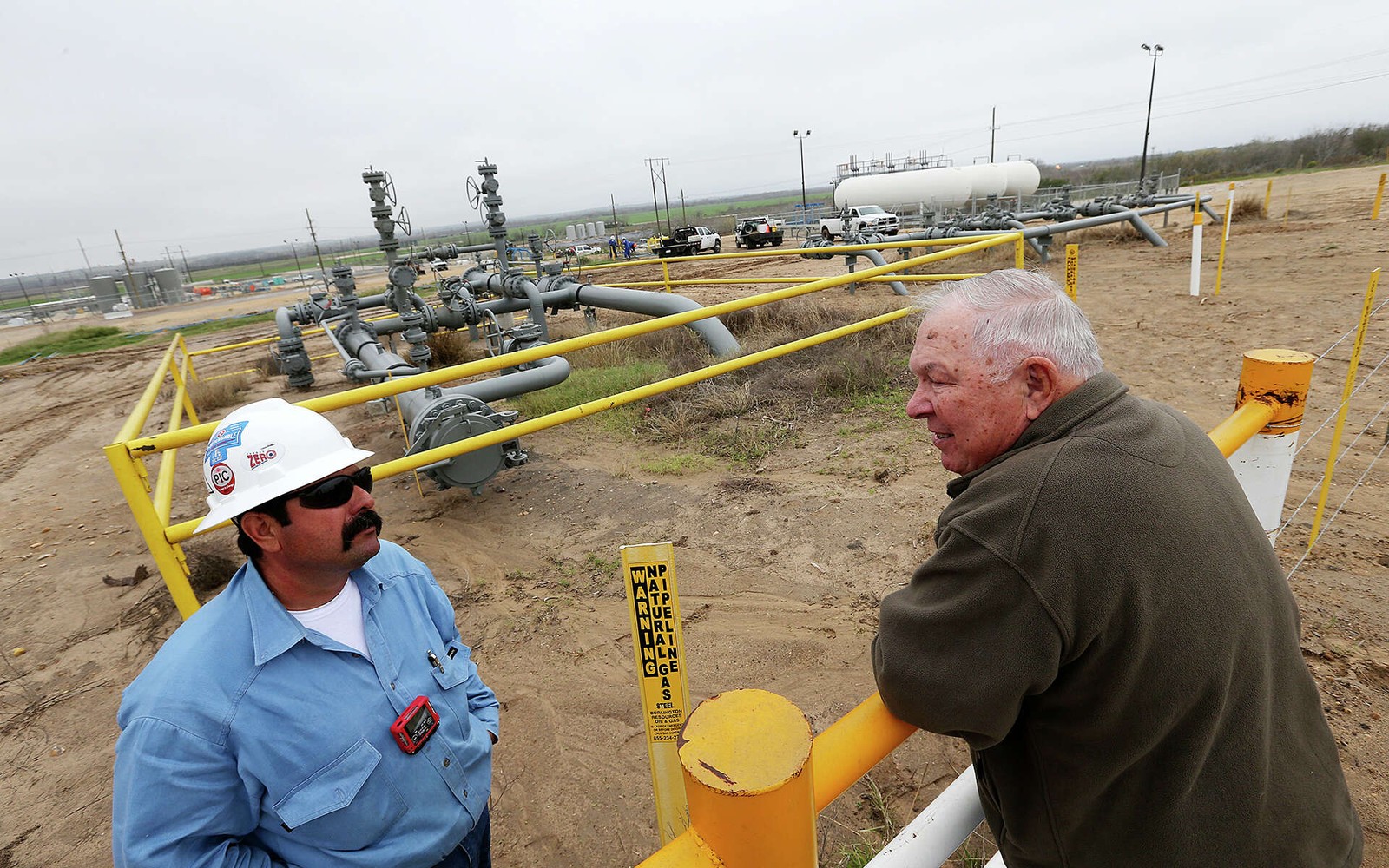
The Elm Coulee field here is widely credited as the discovery that proved horizontal Bakken drilling could work commercially, around 2000, several years before the more famous Parshall field in North Dakota.
Sell Mineral Rights in Richland County, MT
If you want to find where the modern horizontal Bakken boom actually began, Richland County is the place. Elm Coulee proved this play out years before it became a household name.
The Bakken acquisition desk reviews well, title, spacing, and payment records before preparing a written conclusion. This is Montana's share of core Bakken production, and it's been developed longer than almost anywhere else in the basin, going back to the field's discovery around 2000.
That head start matters for mineral owners here in a specific way: production histories in Richland County run longer than in a lot of the newer development areas further east in North Dakota, which means you can actually chart real decline behavior instead of estimating from a handful of months.
Elm Coulee's legacy and what it means today
Elm Coulee proved that horizontal drilling into the middle Bakken could produce commercially, and operators expanded from there across a meaningful footprint of Richland County. Sidney, the county seat, grew alongside that development, and the surrounding acreage has some of the longest, most complete production records in the entire play.
With two decades or more of history on many units, a lot of the original wells here are well into their long, shallow decline tail. Some units have since seen additional laterals or refracs layered on top of the originals as operators worked to capture more of the resource once the initial completions proved out.
Reading a long decline curve correctly
Pull as many years of statements as you can gather rather than relying on a handful of recent months. A gentle, steady decline supports one kind of valuation; a well nearing the flat end of its economic tail supports another. With this much history available in Richland County, there's no excuse for pricing an interest off guesswork.
Also track whether operatorship has changed over the years. Assets in this county have traded hands as the field matured, and deduction structures, gathering, compression, marketing charges, can shift meaningfully when a new operator takes over, independent of anything happening to gross production.
What to check before pricing any interest
Start with your specific well's completion date, cumulative production, and current monthly rate, available through the Montana Board of Oil and Gas Conservation's online records by section. A buyer pricing off the county's famous history rather than your unit's actual current numbers isn't giving you an honest offer.
If your unit has permitted but undrilled locations, or room for an additional Three Forks bench, that upside belongs in any serious valuation on top of the existing well's remaining production.
Selling a portion versus selling everything
Given how long this ground has been producing, a lot of Richland County owners weigh whether to sell outright or sell only a share, taking a lump sum now while retaining a stake in ongoing royalty income and any future development. That can make particular sense here given the field's proven, extended track record.
The right choice depends on your own timeline and how much of the interest's value you want in hand today versus how much you're comfortable leaving exposed to commodity prices and future drilling decisions.
Title work in a mature county
With two decades of dealmaking behind a lot of Richland County acreage, ownership has often changed hands multiple times through inheritance, divorce settlements, or prior partial sales. A title search at the Clerk and Recorder's office in Sidney will confirm your current chain is clean and complete before you're deep into negotiating a price with any buyer.
This matters even on interests that have been paying reliably for years. A clean royalty history doesn't guarantee clean title, and the two get checked separately during any real closing process.
Questions Bakken Owners Ask
Is Richland County really where the Bakken boom started?
Does older production mean your interest is worth less?
Not necessarily. Bakken wells settle into a long, shallow decline that can stay economic for well over a decade, and many older Richland County units have since had additional laterals added.
How do you check your well's actual production history?
The Montana Board of Oil and Gas Conservation publishes well records online by section, including completion dates and production history, going back to the county's earliest horizontal wells.
Can you sell just a portion of your Richland County minerals?
Yes. Partial sales are common on ground with this kind of extended production history, letting you take cash now while keeping a stake in ongoing royalty income and future development.
Why do deduction amounts vary between neighboring wells?
Different operators structure gathering, compression, and marketing charges differently, and those charges can change when a well's operatorship transfers, even without any shift in gross production.
Keep Reading
More Bakken Guides for Owners
Bakken owner desk
Get a Straight Read on Your Bakken Interest
Share the county, owner name, interest type, producing status, recent statements if available, and the decision that needs a clearer answer.