
Not necessarily, but it does mean any transfer typically requires Bureau of Indian Affairs review and approval, which adds steps and time compared to a standard fee mineral sale.
Sell Mineral Rights in Wolf Point, MT
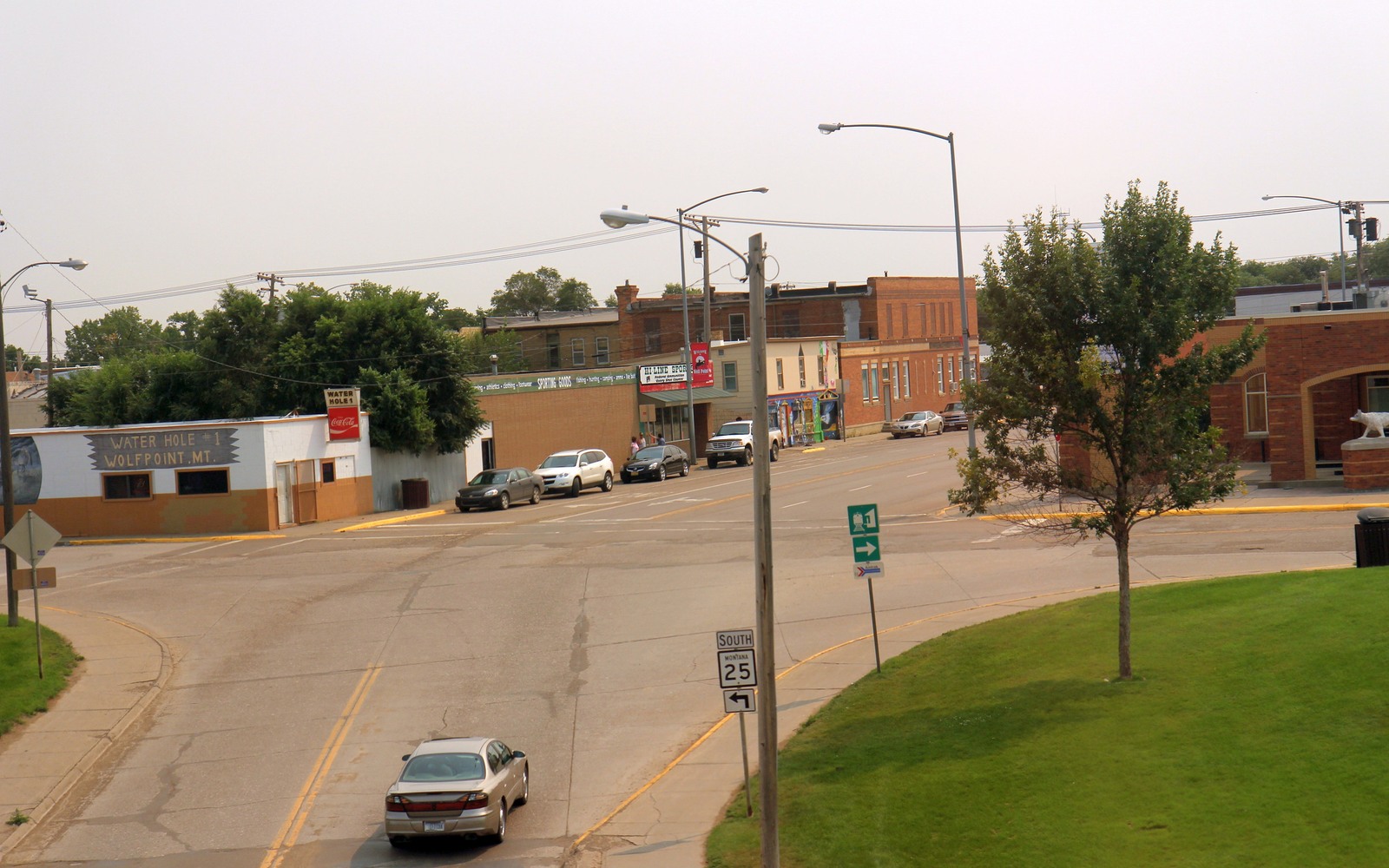
Wolf Point sits on the Fort Peck Indian Reservation, and mineral ownership here comes with legal layers you won't find anywhere else in the basin.
Roosevelt County has never seen the drilling density of Richland County or the core ND counties, and a meaningful share of mineral interests around Wolf Point involve allotted trust land tied to the Fort Peck Reservation. That combination, lighter development plus more complex title, means this market moves differently than most of the ground we work.
Allotted Land and the BIA
When mineral interests trace back to original tribal allotments, the Bureau of Indian Affairs is often involved in approving any transfer, and the ownership itself may be held in trust rather than in simple fee title. That's not a reason to assume a sale is impossible, but it does mean the process looks different from a standard fee-mineral transaction, and it typically takes longer.
Lighter Drilling, Real But Limited
Roosevelt County has seen periods of exploration interest over the years, but nothing close to the sustained multi-well development further west and south. Offers here reflect that: buyers who specialize in this kind of ground price it conservatively and account for the extra time a trust-land transfer can take.
What to Bring to the First Conversation
If your interest involves allotted or trust land, bring whatever BIA paperwork or probate documentation you have, along with any lease history. If it's a standard fee mineral interest not tied to trust status, the process looks more like anywhere else in the basin, standard title and production history review.
Begin with the local record trail
A mineral review here starts with the county recording office, legal description, deed chain, reservations, lease, units, division orders, payor records, statements, and state well data.
Route local questions correctly
Probate, marital property, dormant-mineral rules, pooling, recording, transfer, regulatory filings, and payor notices differ between North Dakota and Montana and sometimes between counties. Qualified advisers should review those questions.
Keep the local review tract-specific
Use the local context as a prompt, not a valuation shortcut. Wolf Point sits on the Fort Peck Reservation in Roosevelt County. The Bakken acquisition desk explains the allotted-land ownership issues that shape sales here. The review desk then reconciles the exact tract against gross and net acres, ownership fraction, producing and inactive wells, paid decimal, recent statements, lease burdens, title exceptions, and the complete written offer. That comparison keeps a familiar town or county name from standing in for the record that actually controls price and closing.
Questions Bakken Owners Ask
Does trust land ownership mean you can't sell your minerals?
Is there active drilling near Wolf Point?
Activity has historically been lighter and more sporadic than in the core Bakken counties, though exploration interest has occurred periodically in Roosevelt County over the years.
How long does a trust-land mineral sale typically take?
Longer than a standard sale, given the BIA approval process. Owners should expect the timeline to be measured in months rather than weeks.
What if your interest is fee mineral, not trust land?
Then the sale process is largely the same as anywhere else in the basin: title review, production history, and a standard offer and closing, without the added BIA layer.
Keep Reading
More Bakken Guides for Owners
Bakken owner desk
Get a Straight Read on Your Bakken Interest
Share the county, owner name, interest type, producing status, recent statements if available, and the decision that needs a clearer answer.