
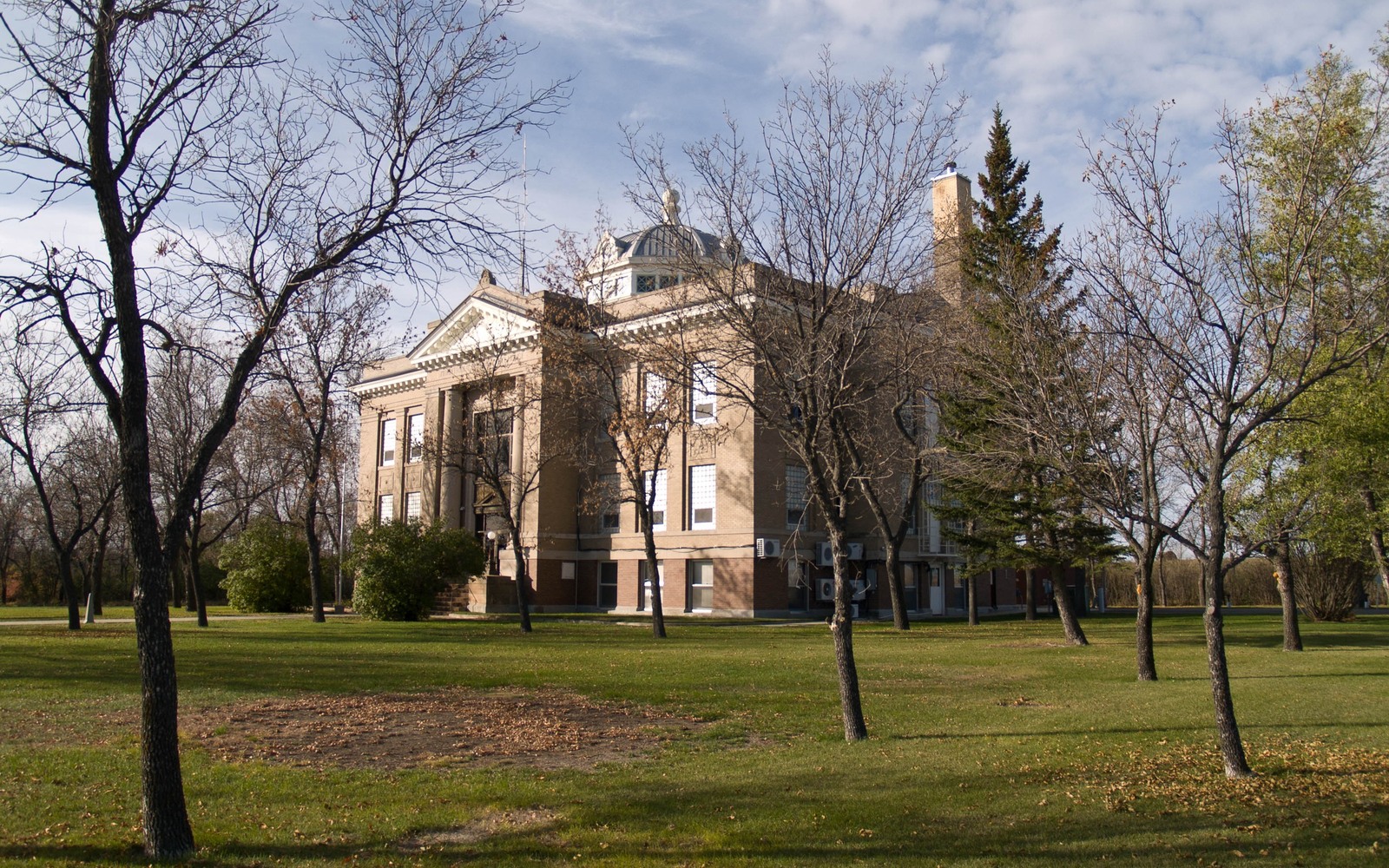
The Parshall field's 2006 discovery well proved horizontal drilling could make the Bakken and Three Forks commercially productive, effectively launching the modern shale boom across the basin.
Sell Mineral Rights in Mountrail County, ND
Mountrail County holds the ground where the modern Bakken really proved itself. The Parshall and Sanish fields here are as close to founding territory as this play has.
The Bakken acquisition desk reviews well, title, spacing, and payment records before preparing a written conclusion. Few counties in the basin have as long or as layered a production record, which means Mountrail County minerals come with more history to sort through than a lot of newer development areas.
That history is an asset if you know how to read it, and a trap if you don't. A well drilled here in 2007 has a completely different decline profile today than a well drilled in 2018, even sitting a few sections apart, and pricing an interest without knowing which kind you have is guesswork.
Parshall and Sanish: the ground that started it
The Parshall field, proven out by EOG's discovery well in 2006, showed the industry that horizontal drilling and multi-stage fracturing could make the Bakken and Three Forks commercially productive at scale. The Sanish field, developed not long after, extended that success northward. Together they cover a meaningful share of the county and remain some of the most consistently productive acreage in the entire play.
Because this ground was developed early, a lot of units have already seen their original wells plus one or more infill laterals added later, often in the Three Forks after operators confirmed it as a separate productive bench from the middle Bakken above it.
Fort Berthold ownership complicates parts of the county
Mountrail County's eastern side overlaps the Fort Berthold Reservation, particularly around New Town, so ownership there splits between fee minerals and trust interests held for MHA Nation allottees. Fee minerals sell through a standard deed process; trust interests move through Bureau of Indian Affairs channels with different rules and timelines. Get this sorted before pricing any interest in that part of the county.
Even away from the reservation boundary, a lot of Mountrail County minerals carry ownership complications worth untangling early. Homestead-era interests split across multiple generations of heirs are common, and we've seen sales stall for months because nobody confirmed who actually held record title before negotiating a number. A quick title check at the Recorder's office in Stanley, the county seat, usually answers that question faster than people expect.
Why decline curves matter more here than almost anywhere
With production histories running well over a decade on a lot of Mountrail County units, you can actually chart a real decline curve instead of estimating from a handful of months. Pull two or three years of statements and look at the trend instead of relying on the most recent check alone. A gradual, steady decline supports one kind of valuation; a well nearing the flat end of its economic tail supports another.
Also watch for operator changes. Assets in this county have traded hands multiple times since the initial boom, and deduction structures, gathering, compression, marketing charges, can shift meaningfully when a new operator takes over, even without any change in gross production.
What varies from Parshall's core to the county's edges
Not every acre in Mountrail County looks like the Parshall field. Ground around Palermo, Plaza, and Ross tends to be less densely developed, some with just a single well, some with none. That's not a mark against those interests, it just means they're priced on different fundamentals: future development likelihood rather than an established multi-well production stream.
Whatever part of the county your interest sits in, get your section, township, and range confirmed against current well records before accepting any offer. Countywide reputation, earned or not, isn't a substitute for what's actually on your unit.
Selling a portion versus selling everything
Given how long some of this ground has been producing, a lot of Mountrail County owners we talk to are weighing whether to sell outright or sell only a share of their interest. Selling a portion lets you take a lump sum now while keeping a stake in future royalty income and any additional development, which can make sense on a unit with proven upside like an undrilled Three Forks bench.
There's no single right answer. It depends on how much of your interest's value you want in hand today versus how much you're comfortable leaving exposed to commodity prices and future drilling decisions you don't control.
Questions Bakken Owners Ask
Why is Mountrail County considered so important to the Bakken's history?
Does older production mean your interest is worth less?
Not necessarily. Bakken wells settle into a long, shallow decline that can stay economic for well over a decade, and many older units have since had additional laterals added. Age alone doesn't set value; current production and remaining upside do.
How does Fort Berthold trust land affect Mountrail County sales?
Interests held in trust for MHA Nation allottees near New Town transfer through Bureau of Indian Affairs processes rather than a standard deed. Fee minerals elsewhere in the county follow the normal Recorder's office process.
Is acreage outside the Parshall and Sanish fields worth selling?
Yes, though it's priced differently. Less-developed ground near the county's edges is valued more on future drilling potential than on an established multi-well production stream.
How do you check your unit's well count and history?
The North Dakota Industrial Commission's GIS records show every permitted and producing well by section, going back to before the horizontal boom for a lot of Mountrail County ground.
Keep Reading
More Bakken Guides for Owners
Bakken owner desk
Get a Straight Read on Your Bakken Interest
Share the county, owner name, interest type, producing status, recent statements if available, and the decision that needs a clearer answer.