
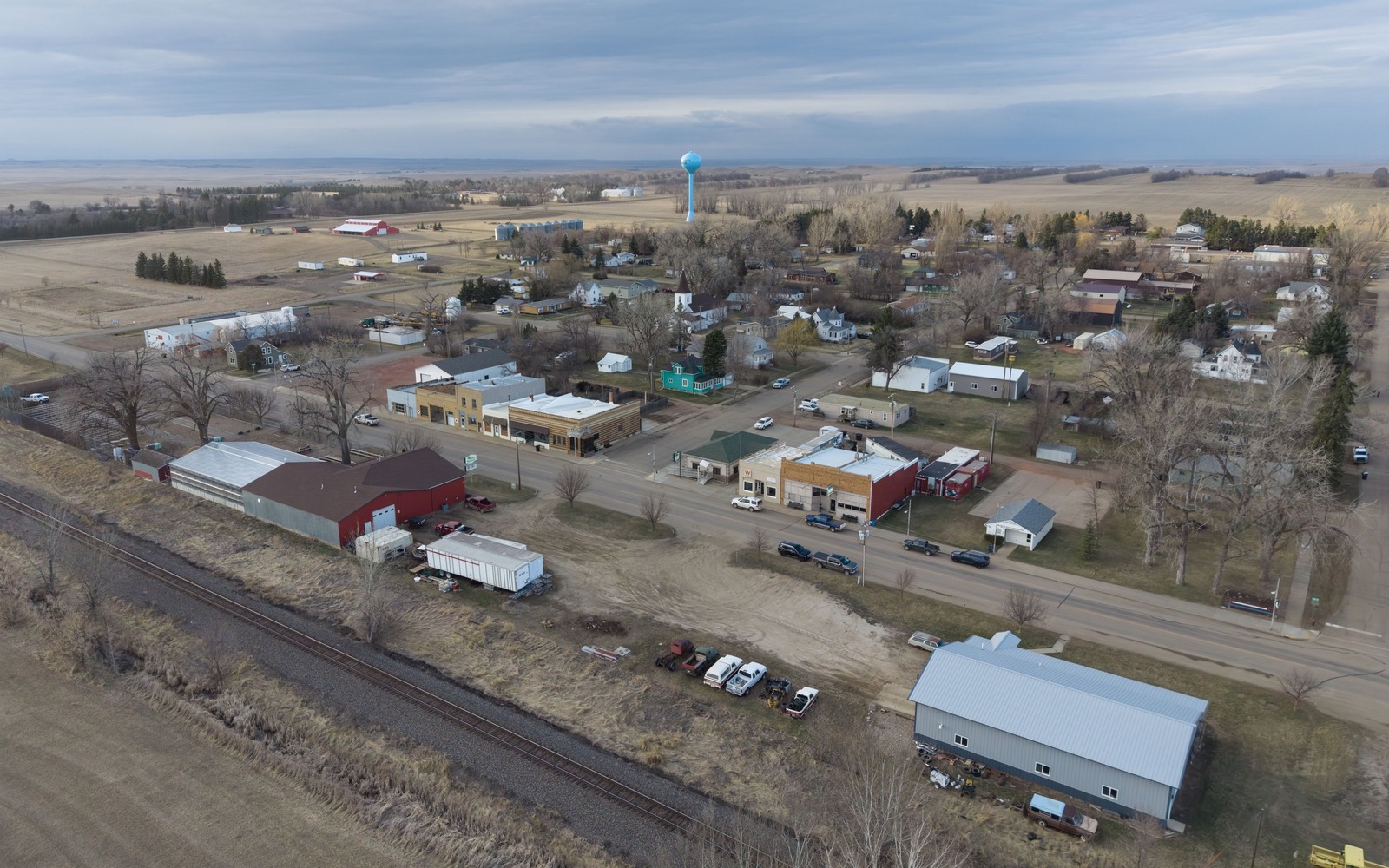
Activity is lighter than in core counties, concentrated more on legacy conventional wells with occasional unconventional interest as operators test the edges of the play.
Sell Mineral Rights in Taylor, ND
Taylor sits far enough south in Stark County that most of its production history predates the Bakken boom entirely.
When we get a call about ground near Taylor, we go looking for older well files before we go looking for recent Bakken permits, because that's usually where the real production history lives out here.
Older Wells, Longer Records
Southern Stark County has decades of conventional production behind it, mostly out of the Madison and Red River formations. A tract near Taylor with a long-producing legacy well often has a cleaner, more predictable decline curve than a fresh Bakken unit still in its first few years, even if the monthly numbers are smaller.
Where the Three Forks Bench Runs Out
The economic thickness of the Three Forks bench that drives so much drilling further north thins considerably by the time you get down to Taylor. That doesn't rule out unconventional interest entirely, but it does mean buyers price this ground closer to legacy conventional value than core fairway value.
The Paperwork Question
A lot of Taylor-area minerals have been held in the same family for two or three generations, and the original lease language sometimes predates modern division order practices. Before we quote anything, we want to see whether the interest has been properly probated through the generations, because that's usually the biggest holdup on a sale down here.
What we'd Tell a Neighbor
If someone from Taylor asked us straight, we'd say sell if you want certainty and the number reflects a fair read on legacy production, hold if you're comfortable with modest, steady royalty checks and no urgency. There's no wrong answer here, just a decision that should be made with real numbers in front of you instead of a guess.
Begin with the local record trail
A mineral review here starts with the county recording office, legal description, deed chain, reservations, lease, units, division orders, payor records, statements, and state well data.
Route local questions correctly
Probate, marital property, dormant-mineral rules, pooling, recording, transfer, regulatory filings, and payor notices differ between North Dakota and Montana and sometimes between counties. Qualified advisers should review those questions.
Keep the local review tract-specific
Use the local context as a prompt, not a valuation shortcut. Taylor sits in flank Stark County near Dickinson. The Bakken acquisition desk explains how legacy conventional wells and thin Three Forks pay shape offers here. The review desk then reconciles the exact tract against gross and net acres, ownership fraction, producing and inactive wells, paid decimal, recent statements, lease burdens, title exceptions, and the complete written offer. That comparison keeps a familiar town or county name from standing in for the record that actually controls price and closing.
Questions Bakken Owners Ask
Is there active drilling near Taylor right now?
Why does your grandfather's original lease still matter?
Old lease and division order language can affect royalty rates and pooling provisions that carry forward to today. A buyer needs to see it to know exactly what's being transferred.
What's the biggest factor in pricing Taylor-area minerals?
Whether there's a currently producing well on the tract and how long it's been on decline, more than any speculation about future Bakken development.
Could Taylor ever see the kind of density Williams County has?
It's possible, since operators periodically test the edges of the fairway as technology and prices change, but there's no way to promise future development. I price the ground on what's proven today, not on speculation about tomorrow.
Keep Reading
More Bakken Guides for Owners
Bakken owner desk
Get a Straight Read on Your Bakken Interest
Share the county, owner name, interest type, producing status, recent statements if available, and the decision that needs a clearer answer.