
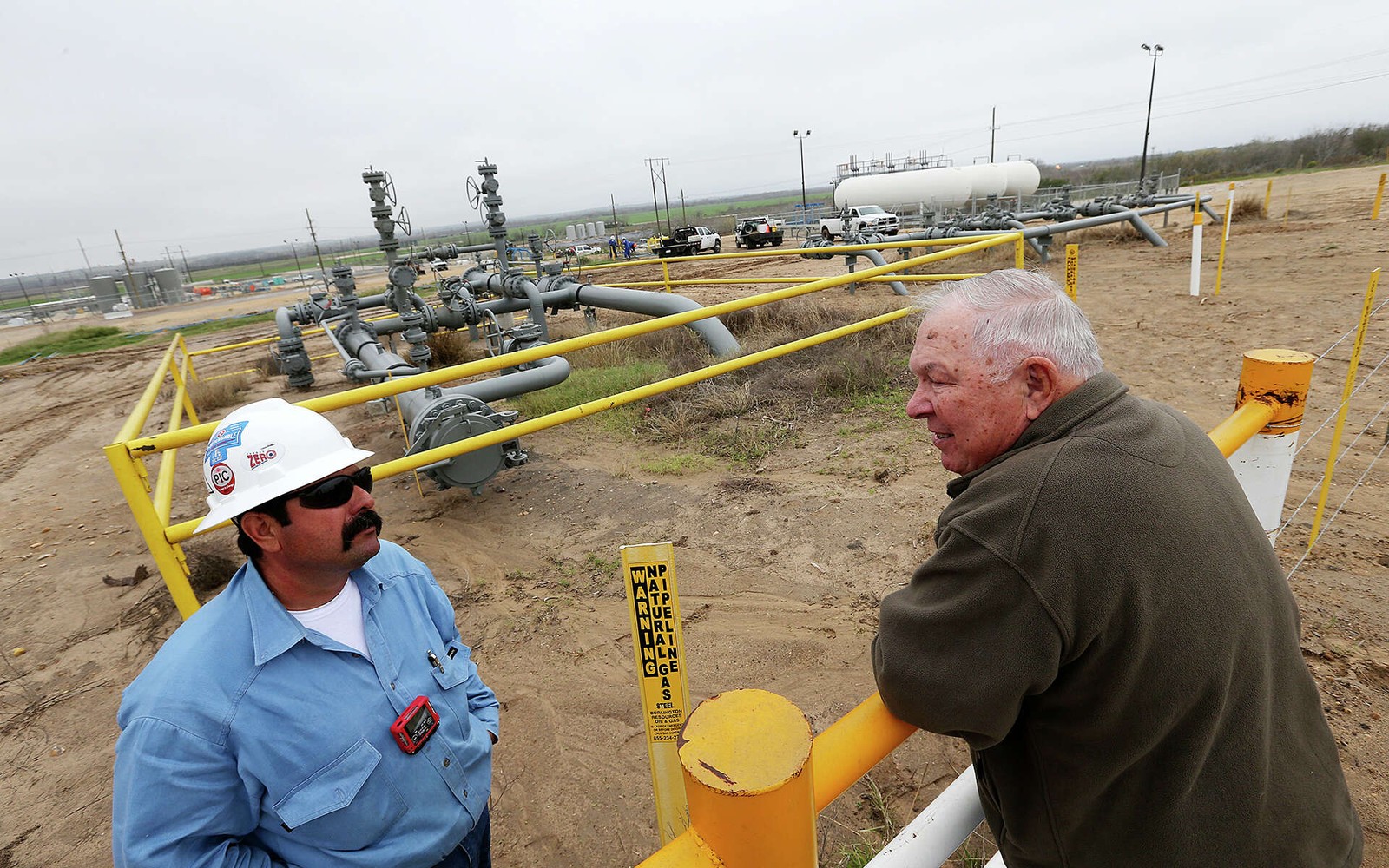
It sits in the core fairway where operators have found it economic to drill multiple laterals off a single pad, targeting different benches of the Bakken and Three Forks from the same surface location.
Sell Mineral Rights in Springbrook, ND
Springbrook isn't a big town, but the ground underneath it is some of the densest lateral country in the whole Williston Basin.
Springbrook doesn't get talked about the way Williston or Watford City does, but it sits inside the core Williams County fairway where operators have been stacking laterals for years. When we run a title check on ground out here, we're rarely surprised to find three or four wells already producing off a single spacing unit, sometimes more.
Density Changes the Offer
A unit with multiple producing wells is a different animal than an undeveloped tract waiting on a permit. Buyers price stacked-lateral units on blended decline across every wellbore, which usually means a steadier, more predictable royalty stream, even if the headline decline on any single well looks steep.
Core County Competition
Williams County minerals, especially close to Williston, tend to draw more buyer competition than flank counties. That's not a promise of a specific number, it's just a fact about how many offers a seller here tends to field compared to someone further out toward Bottineau or Sheridan county. More interest generally means more room to compare terms, as well as price.
What to Pull Before You Talk to Anyone
We always ask for the last several royalty statements, the current operator's name, and whether your interest is held by production across the whole unit or just part of it. On dense-lateral ground like this, that last detail matters more than people expect, because a partial interest in a highly productive unit can still be worth a serious conversation.
The Farmland Above It Still Matters
Springbrook is still working farm and ranch country on the surface, and a lot of the mineral owners we talk to here also hold or held the surface estate, or are descended from the family that did. That split-estate history means old surface-use agreements sometimes surface during title work, and we flag those early rather than let them slow down a closing later.
Begin with the local record trail
A mineral review here starts with the county recording office, legal description, deed chain, reservations, lease, units, division orders, payor records, statements, and state well data.
Route local questions correctly
Probate, marital property, dormant-mineral rules, pooling, recording, transfer, regulatory filings, and payor notices differ between North Dakota and Montana and sometimes between counties. Qualified advisers should review those questions.
Keep the local review tract-specific
Use the local context as a prompt, not a valuation shortcut. Springbrook sits inside the core Bakken fairway near Williston. The Bakken acquisition desk breaks down what dense-lateral core pricing looks like for this ground. The review desk then reconciles the exact tract against gross and net acres, ownership fraction, producing and inactive wells, paid decimal, recent statements, lease burdens, title exceptions, and the complete written offer. That comparison keeps a familiar town or county name from standing in for the record that actually controls price and closing.
Questions Bakken Owners Ask
Why does Springbrook have so many wells per section?
Does more wells mean more royalty income?
It usually means a broader base of production supporting your interest, but each well still declines on its own curve. Your actual monthly checks are the clearest evidence of what's happening.
How fast do offers typically come together on core Williams County ground?
Faster than in flank areas, mainly because there's more title and production data already on file, which shortens the diligence buyers need to do before quoting a number.
What happens to your interest if the unit gets restacked with new laterals?
New wells added to an existing unit generally get folded into your same royalty interest under the existing pooling order, which is one more reason I check the full drilling and permit history for the unit before quoting anyone a number.
Keep Reading
More Bakken Guides for Owners
Bakken owner desk
Get a Straight Read on Your Bakken Interest
Share the county, owner name, interest type, producing status, recent statements if available, and the decision that needs a clearer answer.