
Not by itself. What matters is the well count and production on your specific spacing unit. The courthouse location just means title research there tends to be thorough and well-organized.
Sell Mineral Rights in Manning, ND
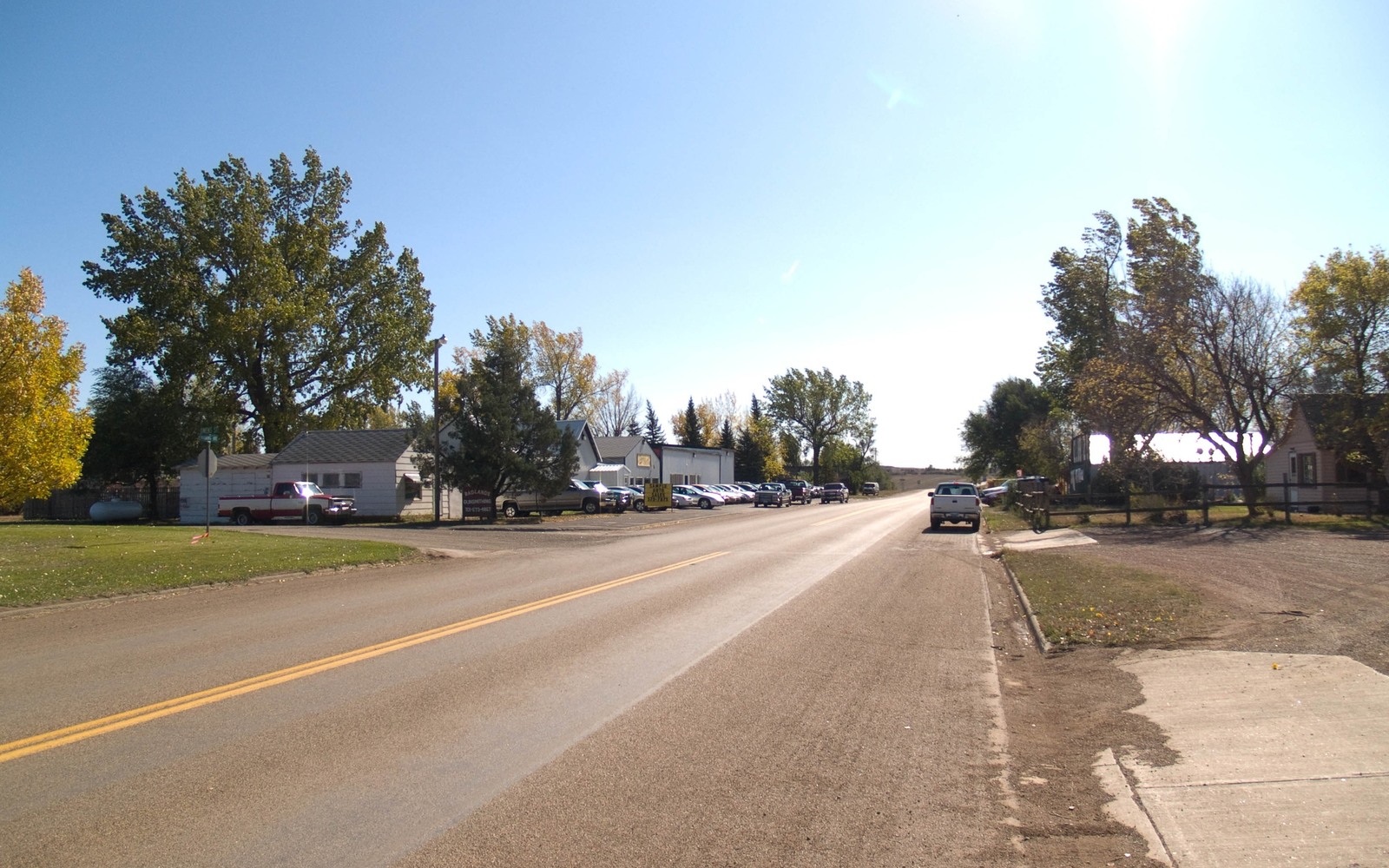
Manning doesn't look like much on a map, but as the Dunn County seat it's where every deed, lease, and division order tied to your minerals actually gets recorded.
We bring up the courthouse angle first because it's the part most buyers skip past. Every mineral deed, every release, every old lease assignment on Manning-area and broader Dunn County acreage runs through the Recorder's office there, and a clean chain of title from that office is what makes a sale close without delay.
The acreage itself sits inside Dunn County's active core, close enough to the Killdeer trend and the Dunn Center bench that most tracts have production history worth reviewing before you talk price with anyone.
Why the county seat matters more than the town size
Manning's population is small, but the Dunn County Recorder's records go back to the original homestead patents, which matters if your family's interest was split among heirs decades ago and never formally probated. A title search there will show whether your name, or your ancestor's name, is actually the one of record, and gaps in that chain slow down or kill a sale faster than any pricing disagreement.
We've walked owners through pulling their own deed history at that office before ever discussing a number, because a buyer who won't wait for title to clear isn't someone we'd trust with the rest of the deal either.
Pricing off production, not proximity
Being close to Killdeer's active drilling doesn't automatically mean your specific tract has a well on it yet. Some Manning-area sections are fully developed with three or four laterals; others are held by production from a single older well and haven't seen a permit in years. Those are two very different assets even if they're a mile apart.
Ask for your unit's well count and spacing order number before accepting any offer. That order tells you exactly which wells are allocated to your tract and at what percentage, which is the real basis for a price.
Begin with the local record trail
A mineral review here starts with the county recording office, legal description, deed chain, reservations, lease, units, division orders, payor records, statements, and state well data.
Route local questions correctly
Probate, marital property, dormant-mineral rules, pooling, recording, transfer, regulatory filings, and payor notices differ between North Dakota and Montana and sometimes between counties. Qualified advisers should review those questions.
Keep the local review tract-specific
Use the local context as a prompt, not a valuation shortcut. Manning is Dunn County's seat, meaning your mineral title runs through its courthouse. Here's what an ex-operations engineer checks before pricing acreage there. The review desk then reconciles the exact tract against gross and net acres, ownership fraction, producing and inactive wells, paid decimal, recent statements, lease burdens, title exceptions, and the complete written offer. That comparison keeps a familiar town or county name from standing in for the record that actually controls price and closing.
Questions Bakken Owners Ask
Does being the county seat make Manning acreage more valuable?
Your deed lists heirs who have passed away, is that a problem?
It can slow a sale until the estate is probated or an affidavit of heirship is filed, but it's a fixable, common situation in Dunn County. Raise it early so it doesn't stall closing.
Is there a minimum acreage you'll consider buying near Manning?
No set minimum. Small fractional interests are common on Dunn County homestead-era land and are still worth an honest look against the unit's production.
Keep Reading
More Bakken Guides for Owners
Bakken owner desk
Get a Straight Read on Your Bakken Interest
Share the county, owner name, interest type, producing status, recent statements if available, and the decision that needs a clearer answer.