
Yes, though it's flank rather than core territory, meaning development has historically been less dense and more selective than in Williams or McKenzie County.
Sell Mineral Rights in Ambrose, ND
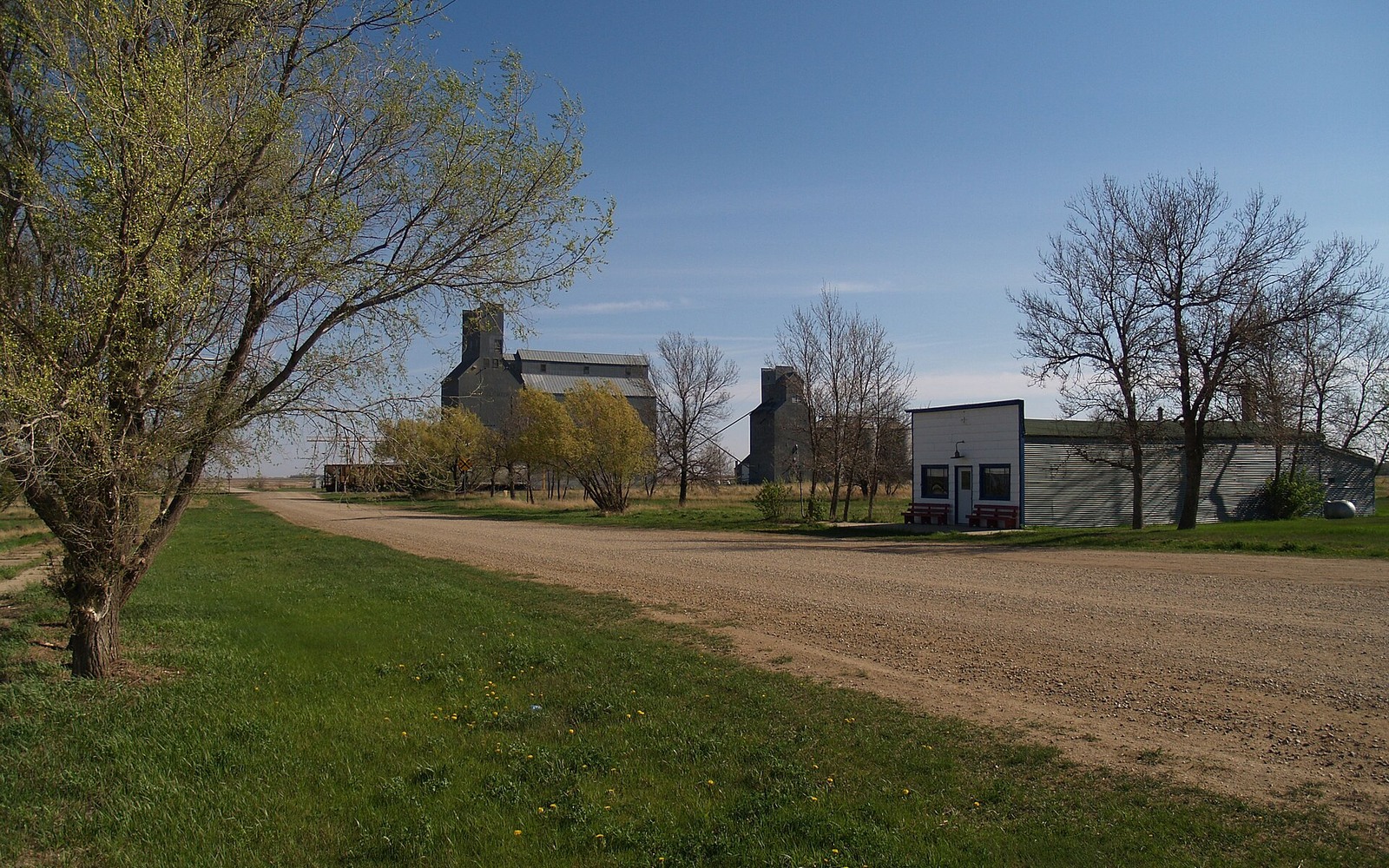
Ambrose sits in the far northwest corner of North Dakota, close enough to Montana that some of the same field trends you'd talk about on the other side of the state line show up here too.
Divide County is flank territory, not core, and we'll say that plainly rather than dress it up, because owners deserve a straight answer about where their acreage sits in the basin. Flank doesn't mean worthless, it means the Middle Bakken and Three Forks here are generally thinner and less consistently productive than what you'd find further south and east around the Nesson Anticline.
What that means practically for an Ambrose-area tract: fewer wells per spacing unit, more variability in results from one well to the next, and pricing that should reflect actual offset performance rather than basin-wide headlines from the core counties.
What Flank Geology Actually Looks Like Here
Some sections near Ambrose have produced solid wells; others drilled in the same general area came in well below expectations because the reservoir quality varies more at the edge of the play than it does in the thick, consistent middle of the fairway. That's just how flank geology behaves, and it's why we never quote flank acreage off a county average.
If your family's minerals have a well on them already, that production history is the single best indicator we have of what the tract is actually worth, far better than guessing based on what core-county acreage two hundred miles away is trading for.
Unleased Acreage in a Flank County
If your Ambrose-area minerals have never been leased, that's meaningful information in itself. It can mean the section hasn't attracted operator interest, or it can mean it simply hasn't come up in the leasing rotation yet. We check recent permit activity in Divide County before making an offer on unleased acreage, since flank-county leasing tends to move in waves tied to commodity prices rather than steadily like in the core.
Begin with the local record trail
A mineral review here starts with the county recording office, legal description, deed chain, reservations, lease, units, division orders, payor records, statements, and state well data.
Route local questions correctly
Probate, marital property, dormant-mineral rules, pooling, recording, transfer, regulatory filings, and payor notices differ between North Dakota and Montana and sometimes between counties. Qualified advisers should review those questions.
Keep the local review tract-specific
Use the local context as a prompt, not a valuation shortcut. Ambrose, ND sits in Divide County's Bakken flank territory near the Montana line. The Bakken acquisition desk explains what flank acreage is worth and why. The review desk then reconciles the exact tract against gross and net acres, ownership fraction, producing and inactive wells, paid decimal, recent statements, lease burdens, title exceptions, and the complete written offer. That comparison keeps a familiar town or county name from standing in for the record that actually controls price and closing.
Questions Bakken Owners Ask
Is Divide County still part of the active Bakken play?
Why would flank acreage be worth less than core acreage?
The Middle Bakken and Three Forks are generally thinner at the edge of the play, which tends to mean lower per-well recovery and fewer wells drilled per spacing unit.
Your minerals near Ambrose have never had a well. Are they worth anything?
Possibly, depending on nearby permit activity and how the section has been categorized in state spacing orders. I check current activity before quoting unleased flank acreage.
Keep Reading
More Bakken Guides for Owners
Bakken owner desk
Get a Straight Read on Your Bakken Interest
Share the county, owner name, interest type, producing status, recent statements if available, and the decision that needs a clearer answer.